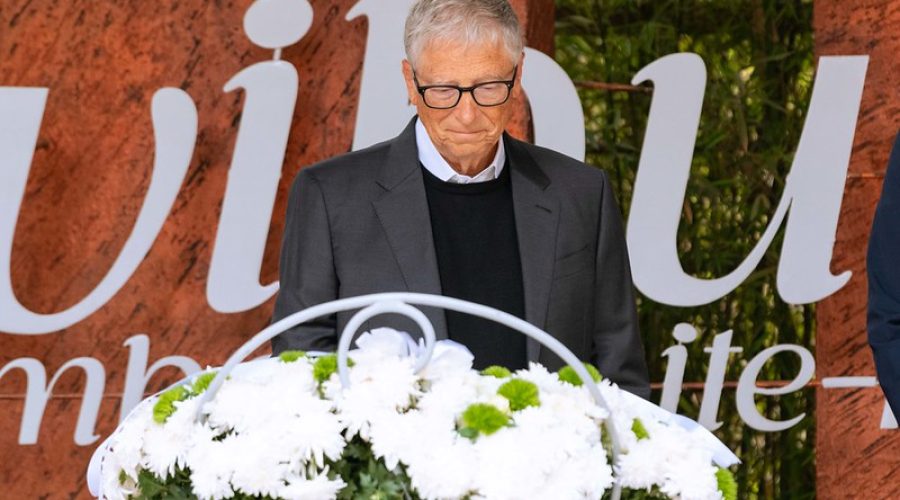
On 20 July 2026, we had the honour of welcoming Bill Gates to the Kigali Genocide Memorial, accompanied by Rwanda’s Minister of Health, Dr Sabin Nsanzimana, on behalf of the Government of Rwanda. The visit offered an opportunity to honour the memory of victims of the Genocide against the Tutsi and reflect on Rwanda’s extraordinary journey of rebuilding in its aftermath.
The visit began with a guided tour of the memorial exhibitions, which document the history that led to the Genocide against the Tutsi and the remarkable resilience that has shaped Rwanda’s recovery. Through survivor testimonies, personal artefacts, photographs, and historical records, the exhibitions deepen their understanding of the genocide while inviting them to confront the consequences of prejudice, dehumanisation, and indifference.
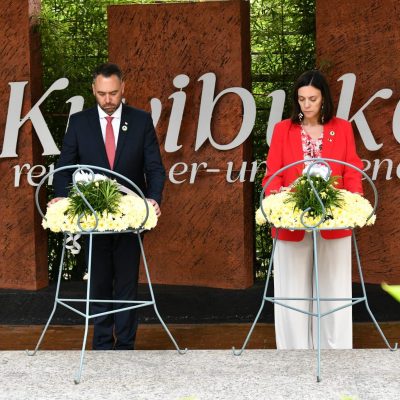
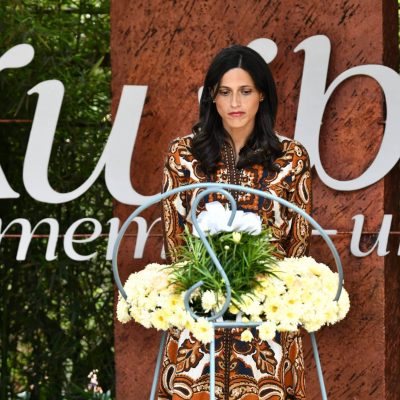
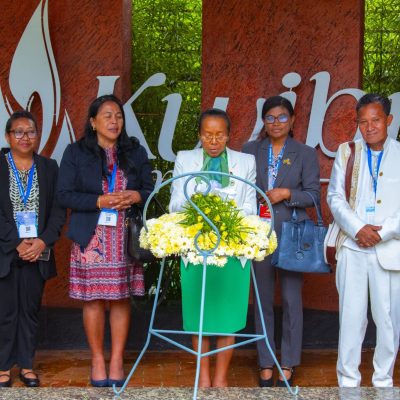
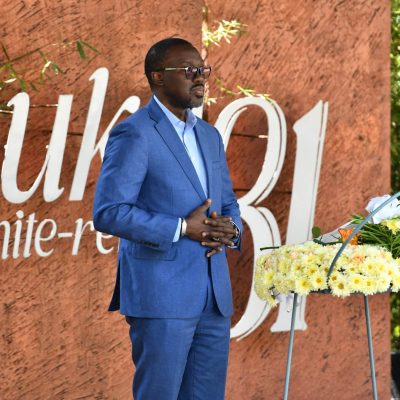
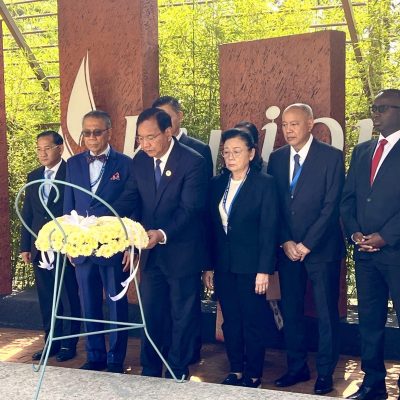
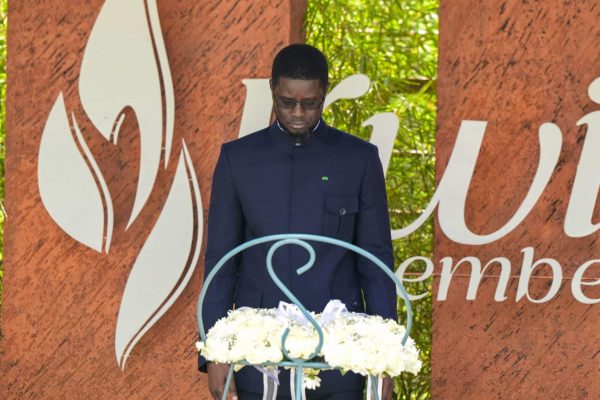
The visit concluded at the memorial burial place, where more than 250,000 victims are laid to rest. There, Bill Gates and Dr Sabin Nsanzimana together with their delegation laid a wreath in honour of the victims of the Genocide against the Tutsi. In a moment of quiet reflection, they paid their respects to the lives lost, acknowledging the profound human cost of the genocide and reaffirming the importance of remembrance.
While the memorial preserves the memory of those who were lost, it also tells another story: one of a nation that chose unity over division, justice over revenge, and hope over despair. It stands as a reminder that remembrance is not confined to the past; it is an ongoing commitment to protecting truth, defending human dignity, and preventing future atrocities.
At the conclusion of his visit, Bill Gates signed the memorial guestbook, writing:
“It is very impressive how Rwanda has recovered from the tragedy of the Genocide and is building a strong country. This memorial is very important to keep the memories of the victims.”
His words echo the enduring purpose of the Kigali Genocide Memorial. Memory is not simply an act of looking back. It is the foundation upon which healing is built, reconciliation is sustained, and future generations are taught the value of our shared humanity.
We are grateful for Bill Gates’ visit and for the time he took to engage with Rwanda’s history, to remember those whose lives were taken. To honour those who survived. And to help ensure that the promise of “Never Again” is not merely spoken but lived.
Photos