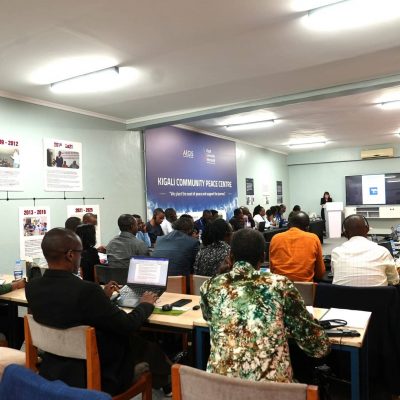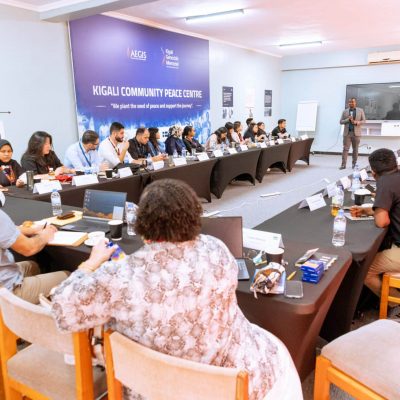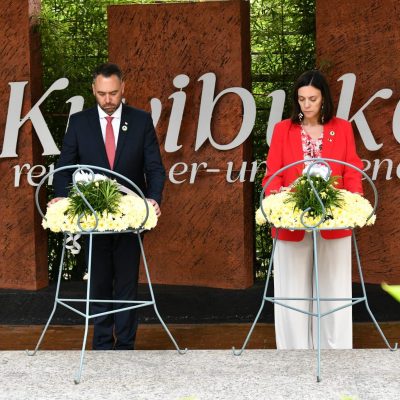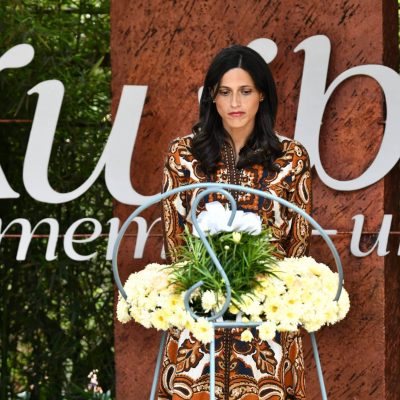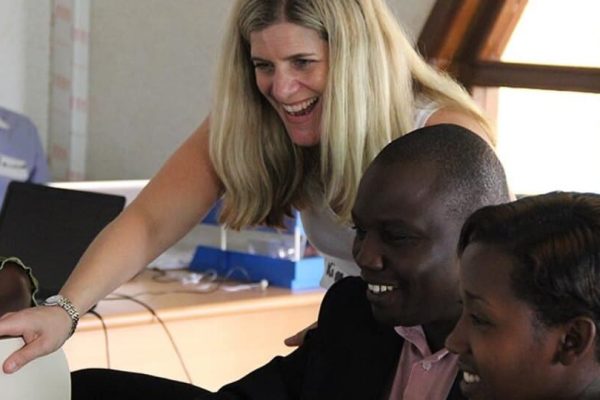
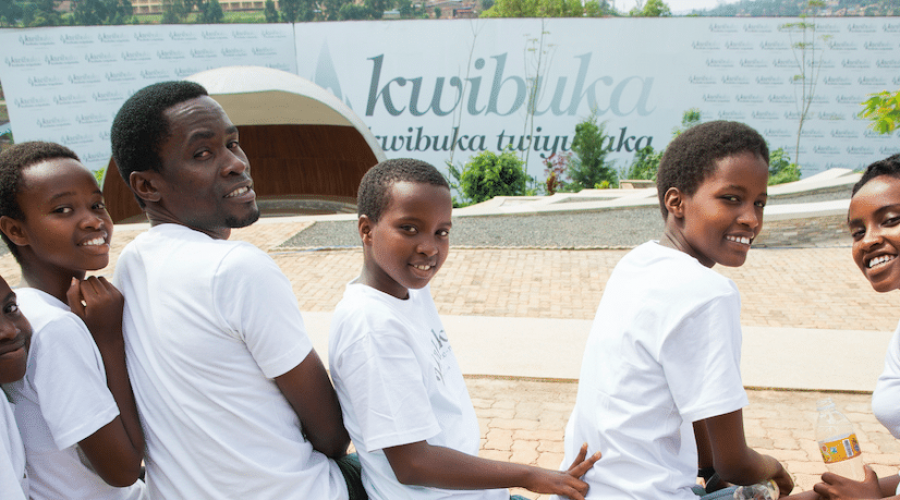
Since 2008, the Kigali Genocide Memorial has hosted a peace education programme that brings together thousands of students from across Rwanda to learn about the causes, reality and aftermath of the Genocide against the Tutsi.
The workshops, guided tours and discussions held at the memorial share with students the importance of remembrance and personal responsibility as key to building sustainable peace.
The first student group of 2016 recently came to the memorial and shared what they thought about the memorial before and after visiting. Their reflections are a powerful statement about the power of education to prevent mass atrocities and ensure that genocide never happens again, in Rwanda or anywhere else.
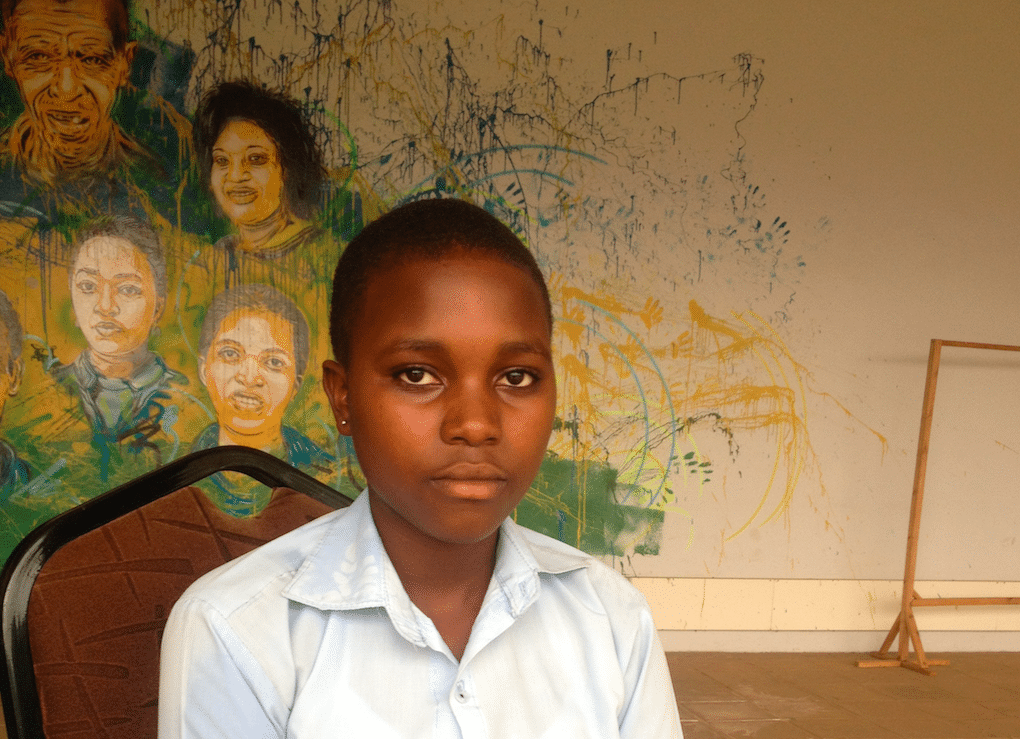
“I wanted to visit the Kigali Genocide Memorial because I always saw it on television. But at the same time I was scared because of the stories I had heard about the memorial like people getting traumatised. I didn’t get traumatised today so I am happy. After visiting, the Kigali Genocide Memorial to me is a burial place for victims of the 1994 Genocide against the Tutsi. As sad as it is, it is also an important place to learn our history.”
– Alaine Teta, 16, Groupe Scolaire Gisozi I.
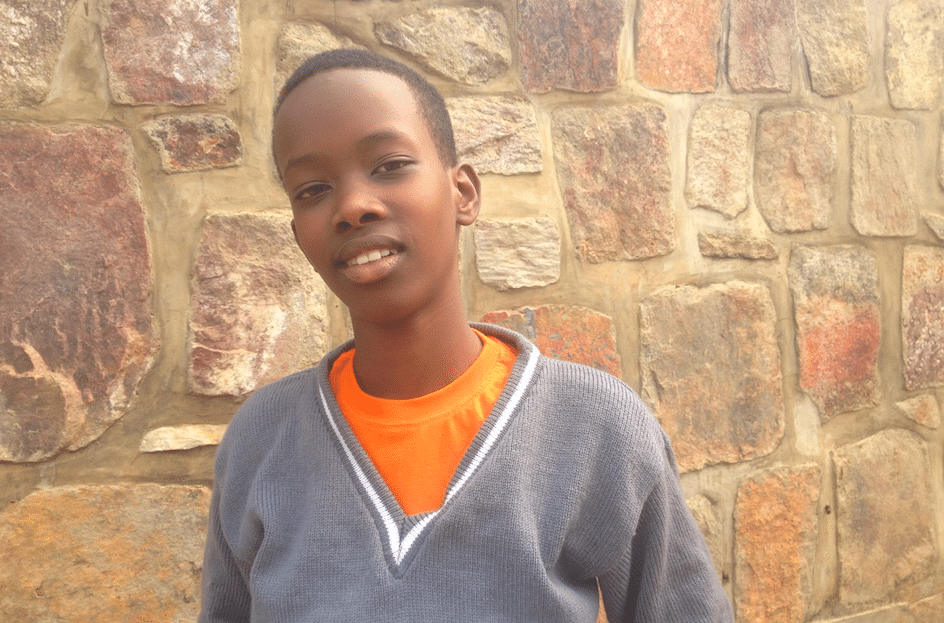
“Before visiting I knew the Kigali Genocide Memorial as a place where people are buried and a place where you can find many photographs of victims of the Genocide against the Tutsi. After visiting the memorial and attending the peace education class, I came to learn that it is also a place to get a better understanding of what genocide is and a place to learn how Rwandans used to live before the Genocide. I also learned about how we are rebuilding Rwanda after the Genocide.”
– Mucyo Crispin, 13, Kigali Christian School.
“I thought the Kigali Genocide Memorial was tombs only, but when I came I saw many people visiting as well and it was beautiful. Today I came to learn about many things I didn’t know, especially about genocide in other parts of the world. I have an aunt who lost her husband and children during the Genocide. It was difficult for me to talk about it, but now I feel confident to ask questions and share what I learned.”
– Rosine Izabayo, 16, Kigali Christian School.

“The Kigali Genocide Memorial is an important place to learn about the history of genocide. Now I know the origin of the divisions in Rwanda and I am able to explain to my classmates and friends the difference between genocide and war.”
– Erica Utuje, 21, Groupe Scolaire Gisozi I.